Choosing the right fencing materials is an important part of planning a successful fencing project. A fence does more than define property boundaries. It can improve privacy, contribute to security, complement landscaping and architecture, and potentially add value to a property. However, no single material is ideal for every application. Homeowners must consider factors such as durability, appearance, installation costs, maintenance requirements and environmental impact before making a decision.
According to ArcSite's Fencing Industry Statistics from December 2025, 63% of property owners now consider perimeter security a top priority. The same research notes that professionally installed commercial and outdoor fencing has been shown to increase property values by 3–7% in competitive markets. These considerations make selecting appropriate fencing materials more than a cosmetic decision. The right choice should provide the performance and appearance you expect for years to come.
What Are the Most Durable Fencing Materials?
Durability is one of the most important considerations when comparing fencing materials. A fence is exposed to rain, snow, wind, sunlight, temperature fluctuations and everyday wear, so choosing a material capable of handling those conditions can reduce the likelihood of premature replacement.
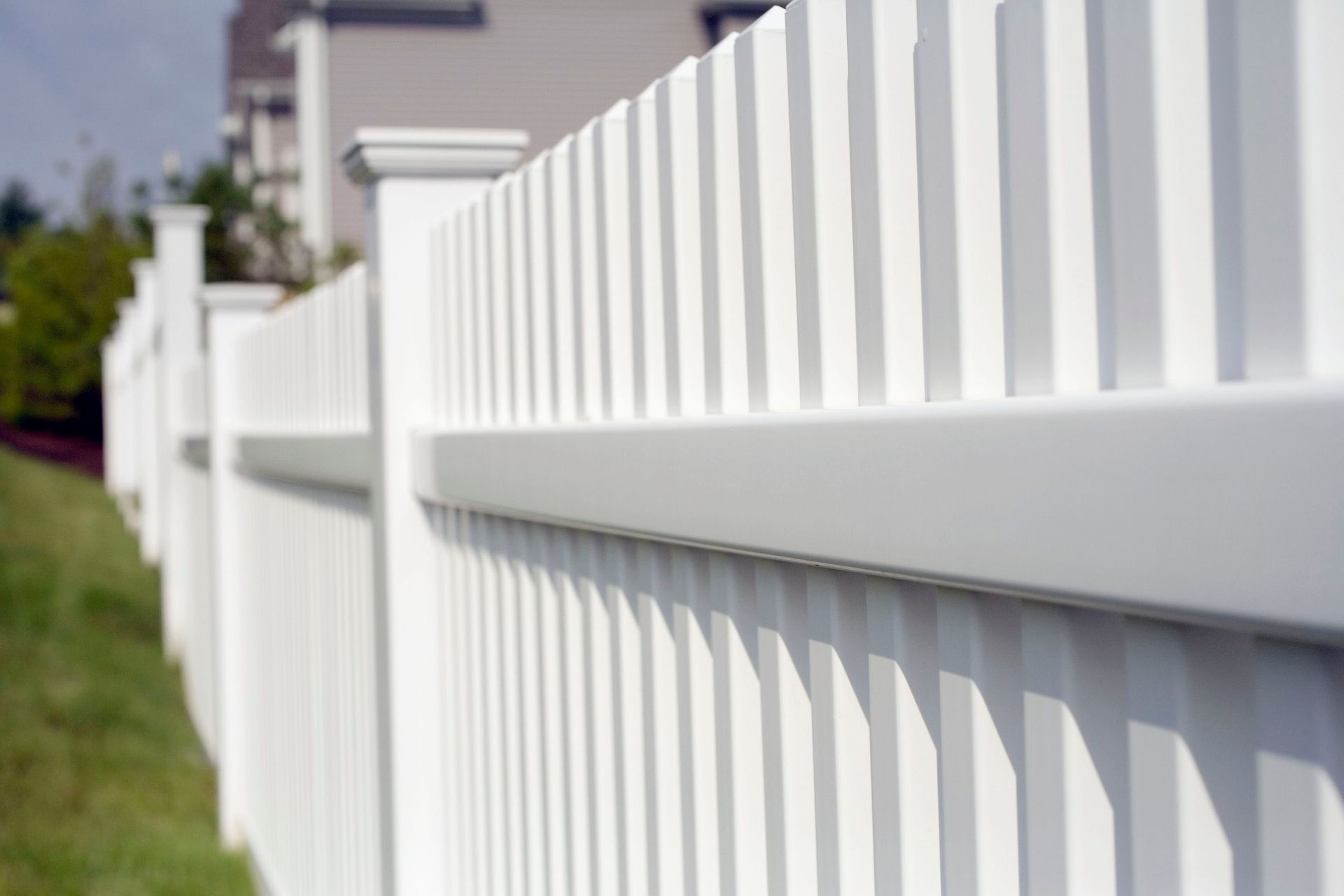
Vinyl is a popular durable option because it does not rot, rust or suffer from insect damage. Quality vinyl fencing can maintain its appearance for years with relatively little intervention. Aluminum is another durable choice, particularly for homeowners who want a lightweight material that resists corrosion. It can be especially useful around pools or in environments where moisture is a concern.
Steel offers substantial strength and can be an excellent choice when security is a major consideration. Depending on the finish and construction, steel fencing can withstand considerable physical impact. Wood can also be remarkably durable when the appropriate species, construction techniques and protective treatments are used, although it generally requires more maintenance than synthetic or metal alternatives.
How Do Fencing Materials Impact Aesthetics and Design?
The visual character of a fence can have a substantial effect on a property's overall appearance. Different fencing materials offer distinct textures, colors and styles, allowing homeowners to select an option that complements their architecture and landscaping.
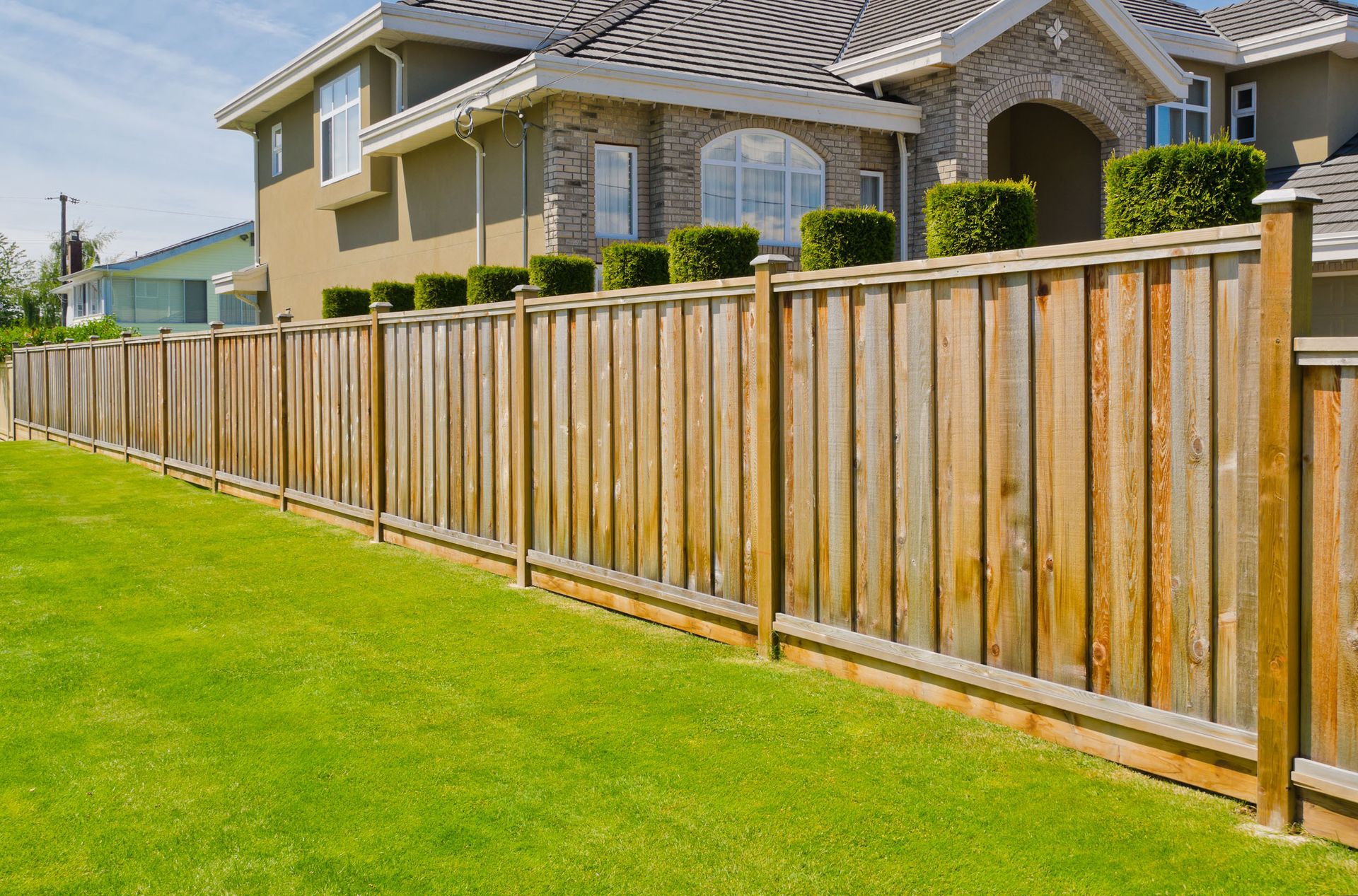
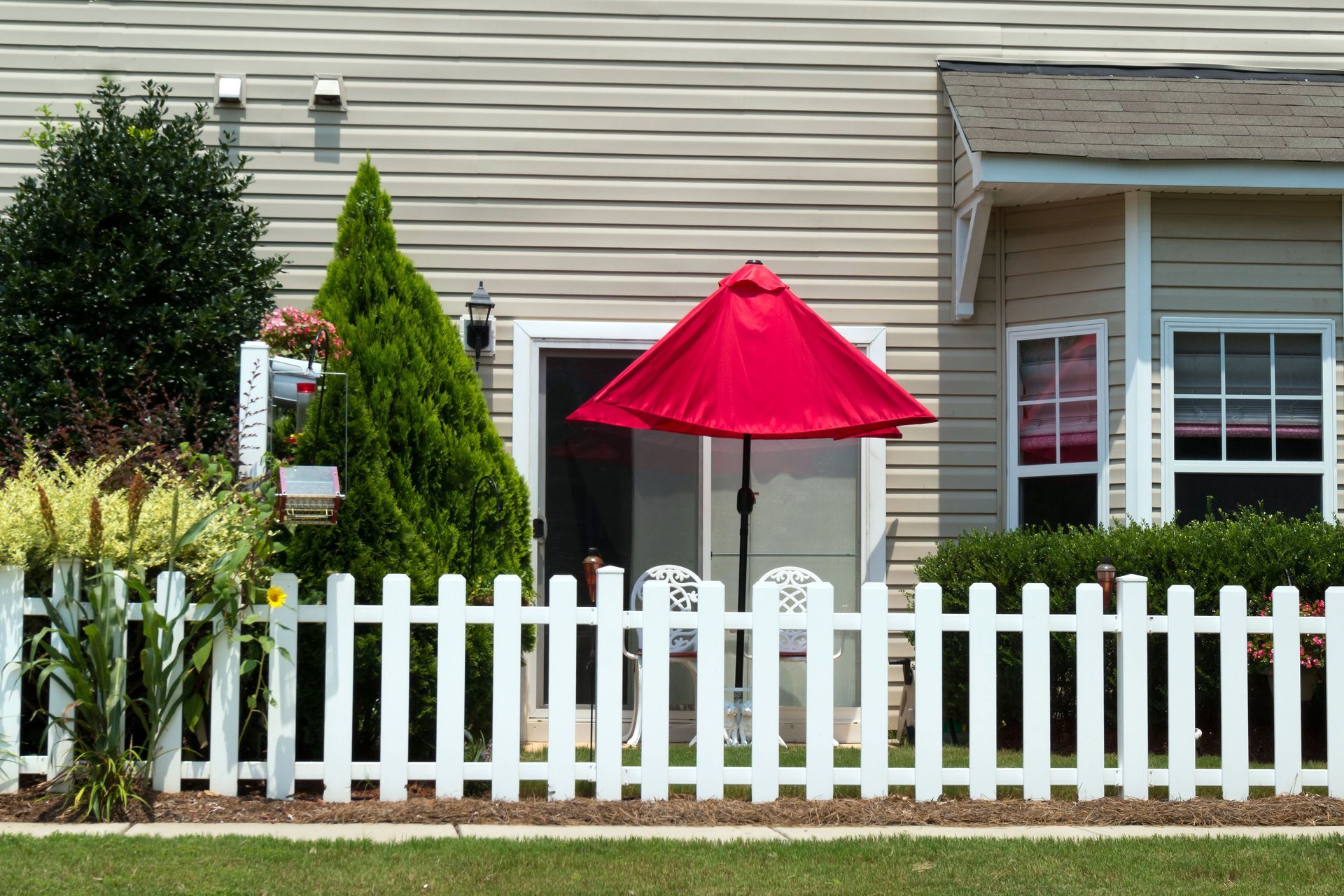
Wood remains a versatile choice because it can be stained or painted in numerous colors. Its natural grain can create a warm, traditional appearance, while different designs can range from simple horizontal boards to decorative picket fencing. Cedar is particularly popular for its natural appearance and resistance to certain forms of decay.
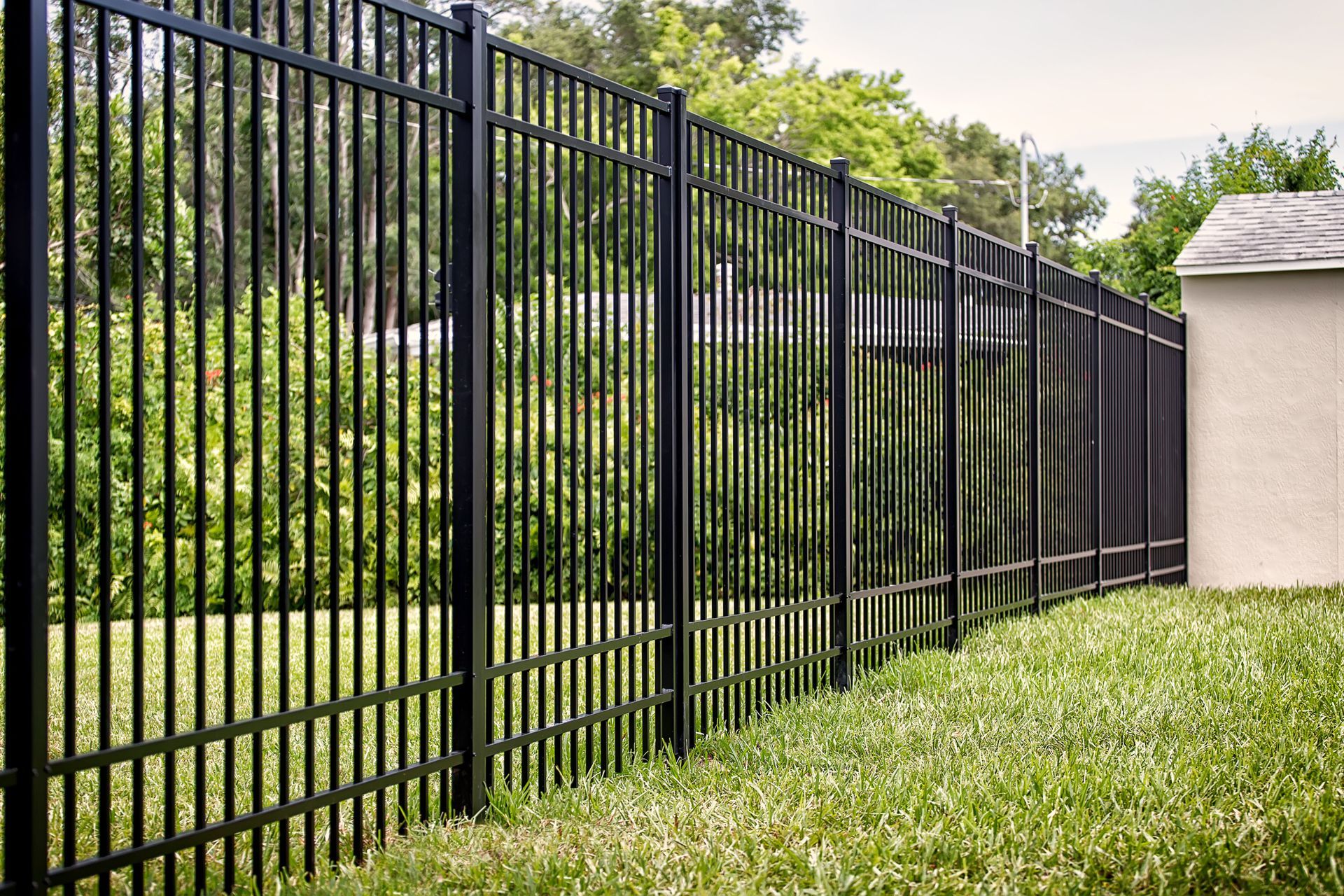
Vinyl can provide a clean, uniform appearance and is available in styles that resemble traditional wood fencing. Aluminum and steel, meanwhile, can provide a more structured or contemporary look. Ornamental metal fencing can create an open appearance while still clearly defining a property line.
The best fencing materials for a particular property will depend on the visual effect you want to achieve. A rustic home may benefit from natural wood, while a modern property might be better complemented by sleek horizontal panels or simple metal lines. Coordinating the fence with existing gates, landscaping, siding and outdoor structures can create a more cohesive design.
Which Fencing Materials Are Most Cost-Effective?
Budget is another major consideration when planning a fencing project. Looking only at the initial purchase price, however, can make it difficult to understand the true long-term cost of different fencing materials.
Wood is often considered a cost-effective option because it can provide an attractive finished product without the initial expense associated with some premium materials. It is also relatively easy to customize and repair. However, homeowners should account for future staining, sealing, painting and repairs when calculating the overall cost.
Chain-link fencing is another economical option, particularly when the primary objective is defining a property boundary or keeping pets and children safely contained. It generally does not provide the same privacy as solid fencing, but it can deliver practical functionality at a relatively modest cost.
Vinyl may have a higher initial price than some wood options, but its reduced maintenance requirements can make it an attractive long-term investment. Aluminum can occupy a similar position, offering durability and relatively low maintenance while providing a more decorative appearance than basic chain-link fencing.
When comparing fencing materials, consider the total cost of ownership rather than simply the price of the initial installation. A material that costs more initially may ultimately require fewer repairs, treatments or replacements.
What Are the Easiest Fencing Materials to Maintain?
Maintenance requirements can vary considerably between fencing materials. Homeowners who prefer to spend as little time as possible maintaining their fence may want to prioritize options that resist common problems such as rot, corrosion, fading and insect damage.
Vinyl is among the lower-maintenance choices. Routine cleaning with water and an appropriate household cleaning solution can generally address dirt and surface buildup. Because vinyl does not require regular staining or painting, it can be convenient for homeowners who want a consistent appearance without frequent refinishing.
Aluminum is similarly appealing because it resists rust and typically requires little more than occasional cleaning. Properly finished steel can also provide years of service, although damaged protective coatings may need attention to help prevent corrosion.
Wood generally requires more ongoing care. Depending on the species and local climate, homeowners may need to periodically stain, seal or paint wooden fencing. Individual boards can also eventually require replacement because of moisture damage, insects or general deterioration.
The easiest fencing materials to maintain are not necessarily the cheapest to purchase. Instead, maintenance should be considered as part of the fence's overall lifetime cost and the amount of time you are willing to devote to upkeep.
How Do Eco-Friendly Fencing Materials Compare?
Environmental considerations are increasingly influencing decisions about home improvement projects, and fencing is no exception. Eco-friendly fencing materials can reduce certain environmental impacts while still providing practical performance and attractive design.
Wood can be an environmentally conscious option when it comes from responsibly managed forests. Homeowners can also consider the longevity of the product, because a durable fence that remains in service for many years may reduce the frequency of replacement.
Recycled materials offer another possibility. Some vinyl and composite fencing products incorporate recycled content, potentially reducing demand for newly manufactured raw materials. Composite fencing can also combine recycled wood fibers and plastics to create a product designed to resemble wood while requiring less maintenance.
The environmental impact of fencing materials extends beyond what they are made from. Transportation, manufacturing, installation, maintenance and eventual disposal can all contribute to a product's overall footprint. Choosing a durable material that suits the property's conditions can therefore be an important part of making a responsible decision.
Selecting the right
fencing materials requires balancing several competing priorities. Durability matters for properties exposed to demanding weather or security concerns, while aesthetics can influence how well a fence complements the surrounding home and landscape. Cost, maintenance and environmental considerations are equally important when evaluating the long-term value of an installation.
Wood, vinyl, aluminum, steel and chain-link each offer different combinations of benefits, and newer composite products provide another alternative for homeowners interested in durability and sustainability. Rather than focusing exclusively on the initial installation price, consider how the fence will perform, look and require maintenance throughout its expected service life.
By evaluating your property's specific needs and comparing the available fencing materials carefully, you can choose an option that supports your priorities while creating a finished fence that serves your property well for years to come. If you're in need of fencing supplies, reach out to the team at The Fence Shop today!